
The Allure of Sound and Visual Stimuli
Casinos are meticulously crafted environments that engage the senses, creating a captivating experience for players. The role of sound and visual stimuli cannot be overstated. From the melodic chime of coins spilling into a tray to the dazzling lights that flash with every win, these sensory elements are engineered to evoke excitement and anticipation. Research in psychology indicates that such stimuli can stimulate the release of dopamine, the brain’s pleasure chemical, which compels players to keep trying in hopes of replicating that euphoric experience. This can be especially true in an online casino , where the immersive design enhances the thrill of each game, making every session feel unique. This strategic design is not merely for aesthetics; it’s a calculated method to enhance player engagement and retention.
The arrangement of these sensory cues is equally important. Casinos implement a strategy known as ‘variable reinforcement,’ where rewards are unpredictable. Players may not hit the jackpot every time, but the randomness of wins keeps them engaged and hopeful. This uncertainty is crucial in maintaining interest, as players often feel more motivated to continue despite losses, believing that a significant win is just around the corner. The psychological principle of “the near miss” also plays a critical role; an outcome that feels close to a win can significantly increase a player’s desire to continue, as they begin to sense that victory is within reach.
The vibrant colors and luxurious designs of casino interiors contribute to an immersive escape from reality. This environment can create an altered state of consciousness, where time seems to slip away, making it easy for players to lose track of how long they have been engaged in gaming. The atmosphere is not designed solely for entertainment; it serves as a calculated strategy to keep players engrossed and spending, leveraging psychological principles to maximize engagement and retention.
Social Interaction and Community Engagement
The psychological aspect of social interaction is another significant factor in why people are drawn to casinos. Many visitors come not only for the gaming but also for the social connections that accompany it. Games such as poker and blackjack encourage interaction among players and dealers, creating a sense of camaraderie and community. This social engagement fulfills a fundamental psychological need, driving players to return as they seek the social experiences that casinos offer. The feeling of belonging can be a powerful motivator, and casinos capitalize on this by fostering an inviting atmosphere.
Casinos often host events, tournaments, and special promotions that encourage group participation, drawing in even more players. These events create an electrifying ambiance where individuals bond over shared interests, further enhancing their overall experience. The collective excitement of winning—whether through a communal jackpot or individual success—reinforces players’ connections to the casino and its community, making them feel a part of something larger. This sense of belonging can be a compelling reason for individuals to choose one casino over another.

Customer service plays a crucial role in this aspect as well. Casino staff are trained to interact positively with players, making them feel valued and appreciated. This human element significantly impacts player retention; when customers experience warmth and hospitality, they are more likely to return. The combination of social engagement and the thrill of gaming creates a feedback loop that keeps players coming back for more, ensuring that the casino remains a vibrant community hub.
The Power of Rewards and Loyalty Programs
Casinos have mastered the art of utilizing reward systems and loyalty programs to enhance player engagement. These programs are meticulously designed to instill a sense of obligation and loyalty, encouraging players to return to accumulate points and unlock benefits. This strategy is rooted in psychological principles such as the “endowment effect,” which suggests that individuals value items more highly simply because they possess them. As players accrue points within a loyalty program, their investment in the casino deepens, heightening their desire to continue playing.
The structure of loyalty programs often includes tiered rewards that provide progressively better benefits. This approach creates compelling incentives for players to increase their playtime in pursuit of ascending to the next reward level. The excitement surrounding potential upgrades can motivate players to spend more time and money in the hopes of achieving new milestones. This dynamic not only boosts the casino’s bottom line but also taps into the psychological tendency of individuals to chase rewards, often at the expense of their better judgment.
Additionally, casinos frequently employ the tactic of surprise bonuses or unexpected rewards, which can evoke feelings of gratitude and goodwill among players. Receiving an unexpected complimentary drink or bonus chip reinforces a positive perception of the casino experience. This reinforcement encourages repeat visits as players begin to associate the casino with enjoyable experiences, further solidifying their loyalty. These reward systems create a mutually beneficial relationship, where casinos retain players for longer periods, and players feel appreciated and valued for their patronage.
The Illusion of Control and Skill
A fascinating psychological aspect of gambling is the belief that players possess some level of control over outcomes, particularly in skill-based games like poker or blackjack. This perception of control can be a strong motivator. Many players employ strategies they believe will lead to success, fostering a belief that their skills can influence the odds in their favor. This illusion of control keeps players engaged but can also lead to prolonged play, even amid losses, as they maintain hope for a turnaround.
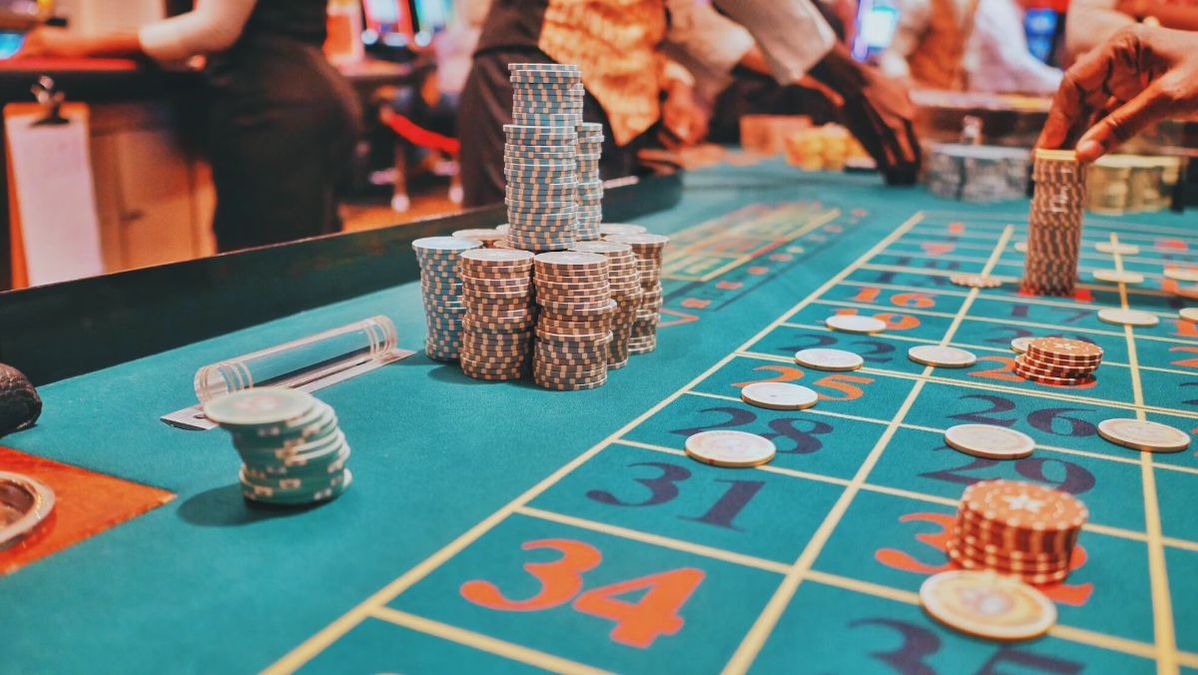
This phenomenon is further complicated by the “gamblers’ fallacy,” where players mistakenly assume that past outcomes will affect future results. For instance, a player who experiences several consecutive losses may feel they are ‘due’ for a win, prompting them to gamble further in hopes of a comeback. Understanding these psychological principles allows casinos to design marketing strategies and gameplay that align with these beliefs, enticing players to extend their gaming sessions, often leading to increased financial investment.
Winning reinforces players’ beliefs about their control and skill, deepening their commitment to the game. Positive reinforcement encourages them to continue playing and investing time and money in pursuit of the next victory. By perpetuating the notion that skill and strategy can sway success, casinos effectively drive players to engage in extended play sessions, enhancing both player excitement and casino profits significantly.
Connecting with Resources and Support
In response to the complexities of gambling psychology, many casinos are increasingly offering resources and support for players interested in responsible gaming. Recognizing the psychological dimensions involved, casinos are committed to fostering a safe gaming environment. Resources may include self-exclusion programs, counseling services, and informational materials that address gambling behaviors and promote responsible play. Such initiatives aim to create a balanced gaming experience that acknowledges the psychological intricacies of gambling.
By providing support systems, casinos can forge a more sustainable relationship with their patrons. This proactive approach not only aids players who may be struggling but also enhances the casino’s reputation as a responsible entity within the community. Promoting awareness of responsible gaming encourages players to make informed decisions, ensuring they maintain control over their gambling habits, which ultimately benefits everyone involved.
Additionally, many casinos engage in community outreach programs aimed at promoting responsible gaming. By offering workshops, seminars, and informational campaigns, they educate players about the risks associated with gambling and encourage healthy habits. This commitment to responsible gaming fosters a safer environment while also building trust among players. When customers feel that a casino genuinely cares about their well-being, they are more likely to return, ensuring a mutually beneficial relationship for both parties involved.